
Safari intelligence from the people who run the trips
Migration timing, honest costs, routing that works, permits, transfers and corporate logistics across Kenya, Tanzania, Zanzibar, Uganda, Rwanda and Burundi. Written by our consultants and guides, updated as the ground changes.
Lead story · Great MigrationThe Great Migration: A Complete Guide to Africa's Greatest Wildlife Event
Roughly a million and a half wildebeest move on a loop that ignores borders and calendars. Here is how the migration actually behaves, and how to plan a safari around it without relying on luck.
Read the guideEditor's picks
The four or five pieces we send guests most often before their first planning call.
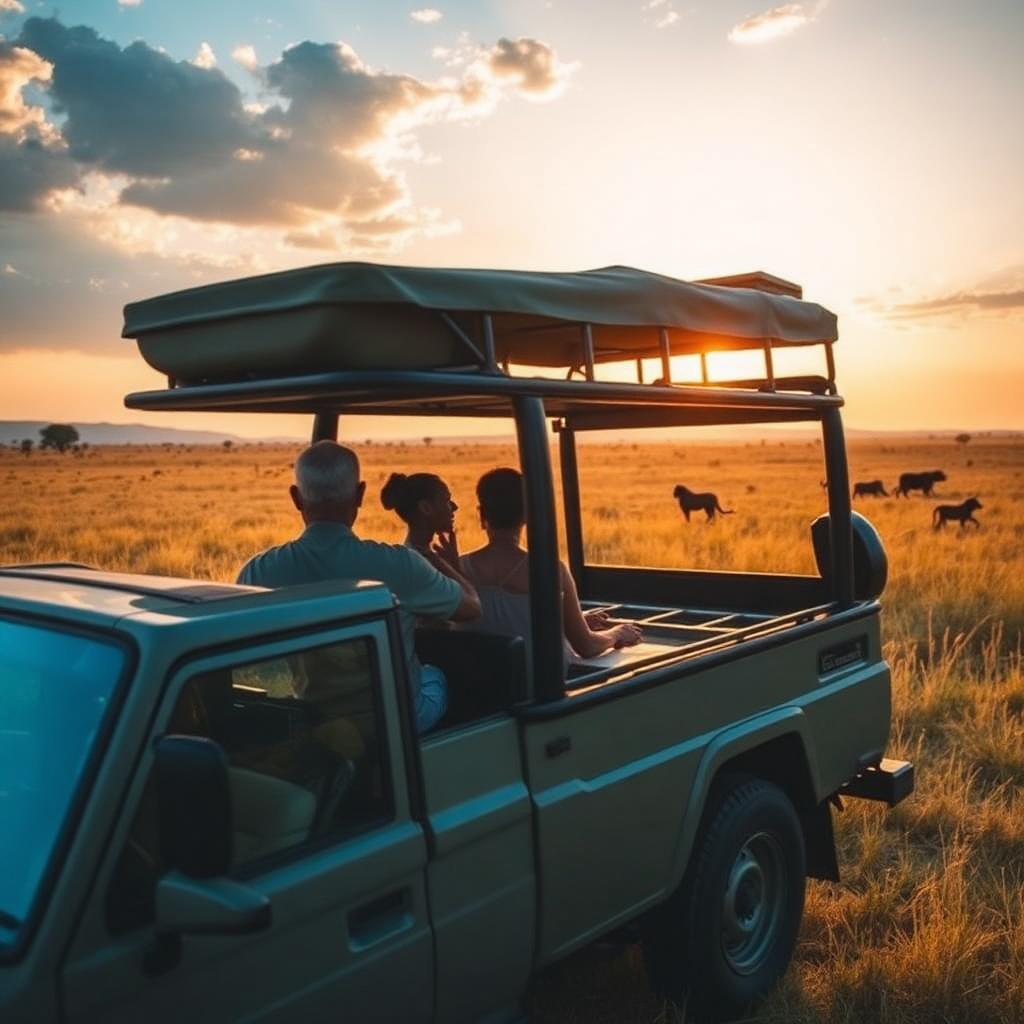
What a Kenya Safari Really Costs, and Where the Money Goes
Two quotations for the same route can differ by thousands of dollars and both be honest. Here is how to read them, line by line, before you commit.
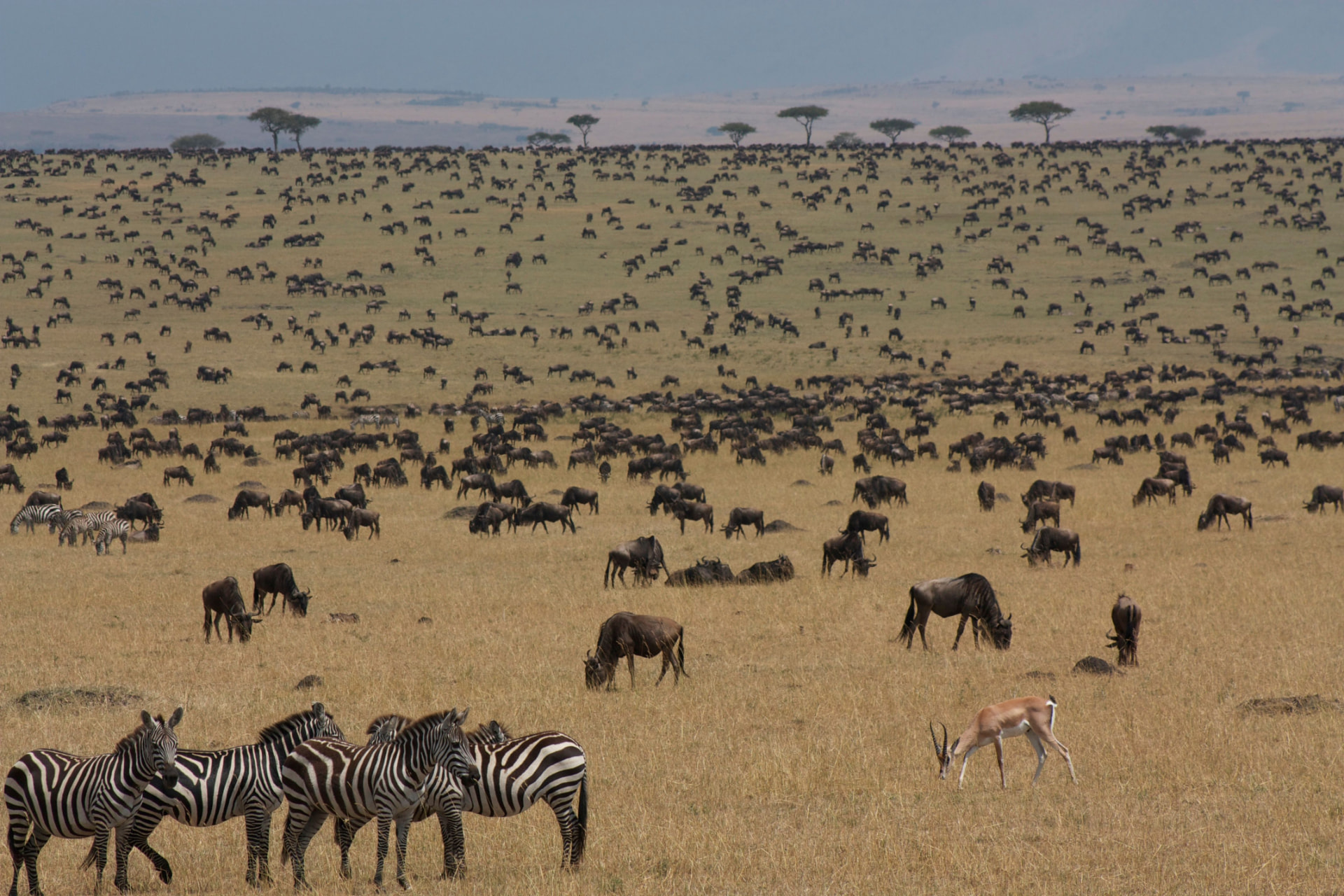
Kenya or Tanzania for a First Safari? An Honest Comparison
We operate in both countries, so we have no reason to flatter either. Here is how the choice actually breaks down once you put dates and days against it.

The Planner's Guide to Corporate Retreats in Kenya
Delegates remember two things about a retreat: whether the content landed, and whether the logistics ever got in the way. Everything in this guide serves the second so you can concentrate on the first.
Editorial hubs
Each hub gathers the guides for one part of the region, then hands you to the itineraries that go with it.
The Great Migration
River crossings, month by month timing, camps that put you on the right bank, and what the premium actually buys you.
Kenya safaris
Costs, routes, seasons and the Masai Mara. The planning intelligence we normally give guests over a call.
Tanzania & cross border
Serengeti, Ngorongoro, and how a Kenya and Tanzania itinerary is stitched together properly.
Safari & Zanzibar
Wildlife first, ocean second. Flight logic, timing and where the island earns its reputation.
Gorillas & the Great Lakes
Permits, trekking fitness, Bwindi versus Volcanoes, and travelling from Kampala, Kigali or Bujumbura.
MICE & corporate
Conference venues, executive retreats, incentive travel and how companies move groups across East Africa.
Airport transfers
What happens when you land at JKIA, and how to get from arrivals to the Mara without a wasted day.
Honeymoons & families
Two very different briefs, both about pacing. Where privacy matters and where flexibility matters more.
Wildlife knowledge
The Big Five, elephants, rhino, and the species guides our guides are asked about most.
Every guide
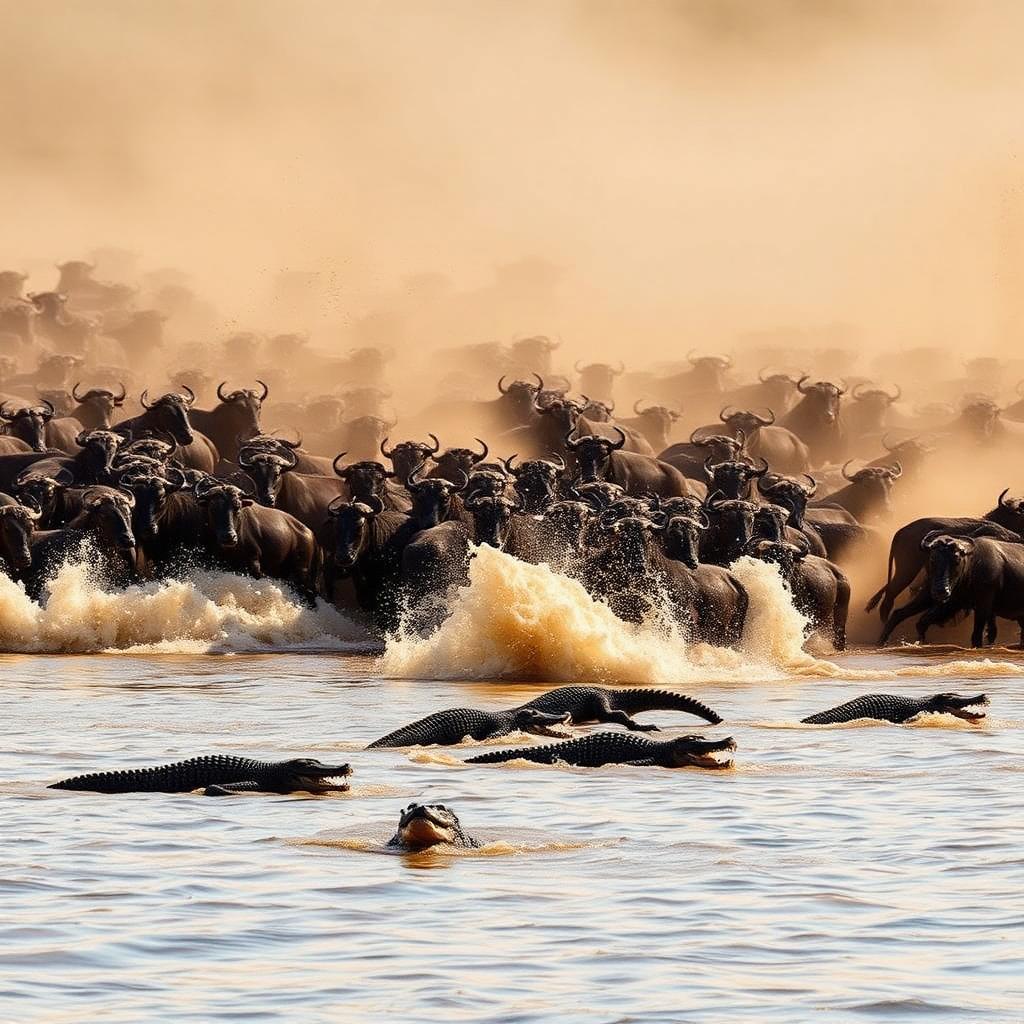
The Great Migration: A Complete Guide to Africa's Greatest Wildlife Event
Roughly a million and a half wildebeest move on a loop that ignores borders and calendars. Here is how the migration actually behaves, and how to plan a safari around it without relying on luck.
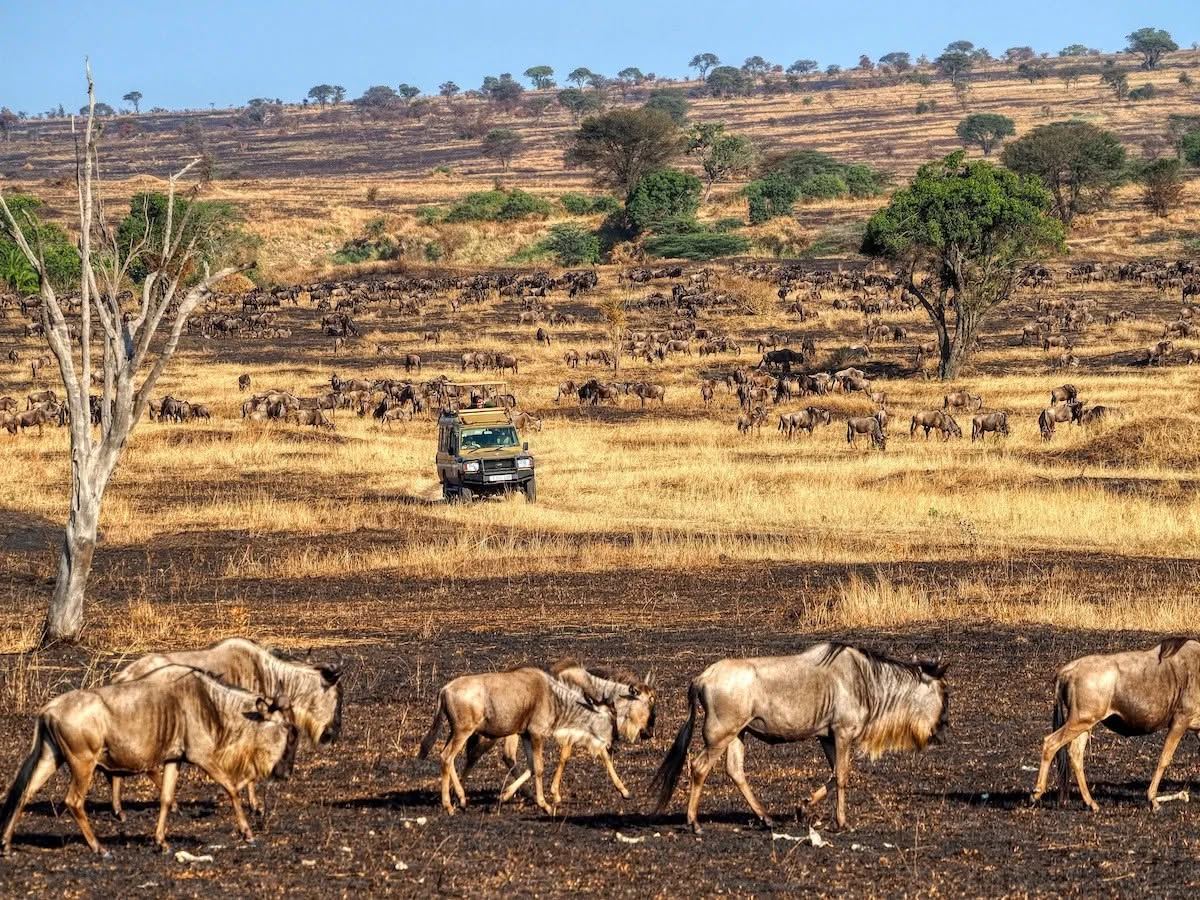
Where and When to See the Mara River Crossing
A crossing is decided by a handful of nervous wildebeest at the front of a herd. Knowing which bends they favour, and how long to wait, is most of the skill.
What a Kenya Safari Really Costs, and Where the Money Goes
Two quotations for the same route can differ by thousands of dollars and both be honest. Here is how to read them, line by line, before you commit.
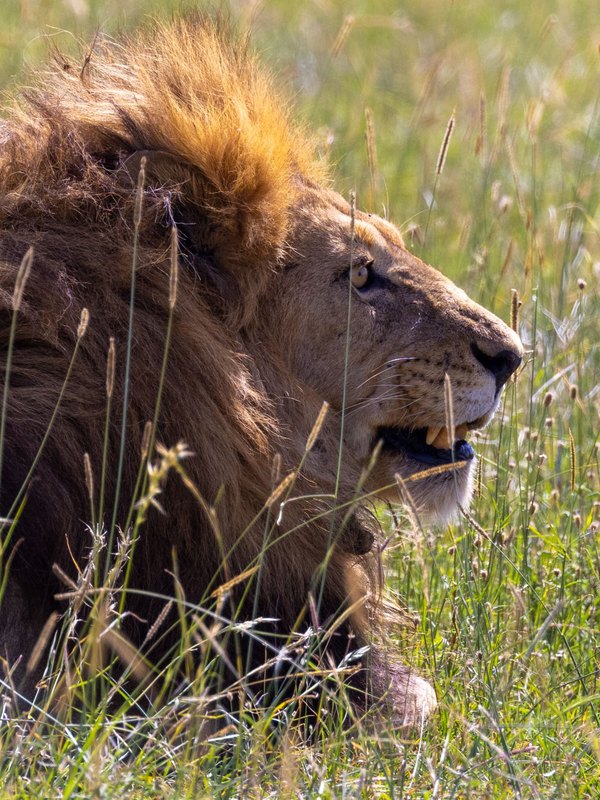
Three, Five or Ten Days: Choosing the Right Kenya Safari Length
The most common planning error is not choosing the wrong park, it is choosing too many. Here is what each trip length actually buys you on the ground.
Kenya or Tanzania for a First Safari? An Honest Comparison
We operate in both countries, so we have no reason to flatter either. Here is how the choice actually breaks down once you put dates and days against it.

Safari and Zanzibar: How to Combine Wildlife and the Ocean Without Wasting Days
Bush then beach is the most requested combination in East Africa and the easiest to get wrong. The order, the flights and the number of island nights all matter.
The Planner's Guide to Corporate Retreats in Kenya
Delegates remember two things about a retreat: whether the content landed, and whether the logistics ever got in the way. Everything in this guide serves the second so you can concentrate on the first.

Bolting a Safari Onto a Conference: How Companies Do It Well
Delegates have already flown across the world for your conference. A well structured extension turns that flight into the reason they come back.
Serengeti National Park: The Complete Safari Guide
How to plan a Serengeti safari, where to stay, when the migration moves through, and how it differs from Kenya's Masai Mara.
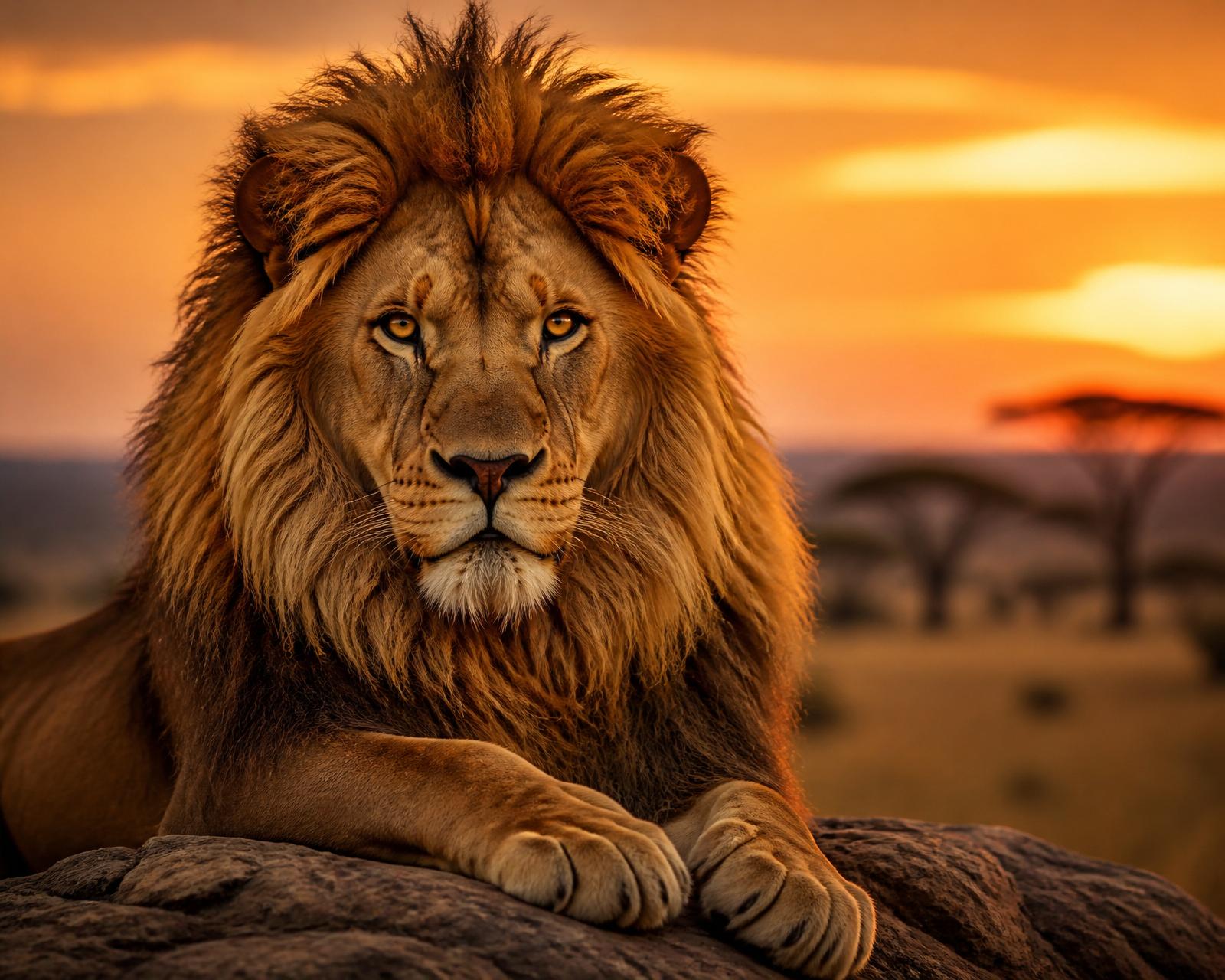
The Ultimate Kenya Safari Guide: Everything to Know Before You Go
From the Masai Mara migration to Amboseli's elephants under Kilimanjaro, the complete first-timer's guide to a Kenya safari, written by people who run them for a living.
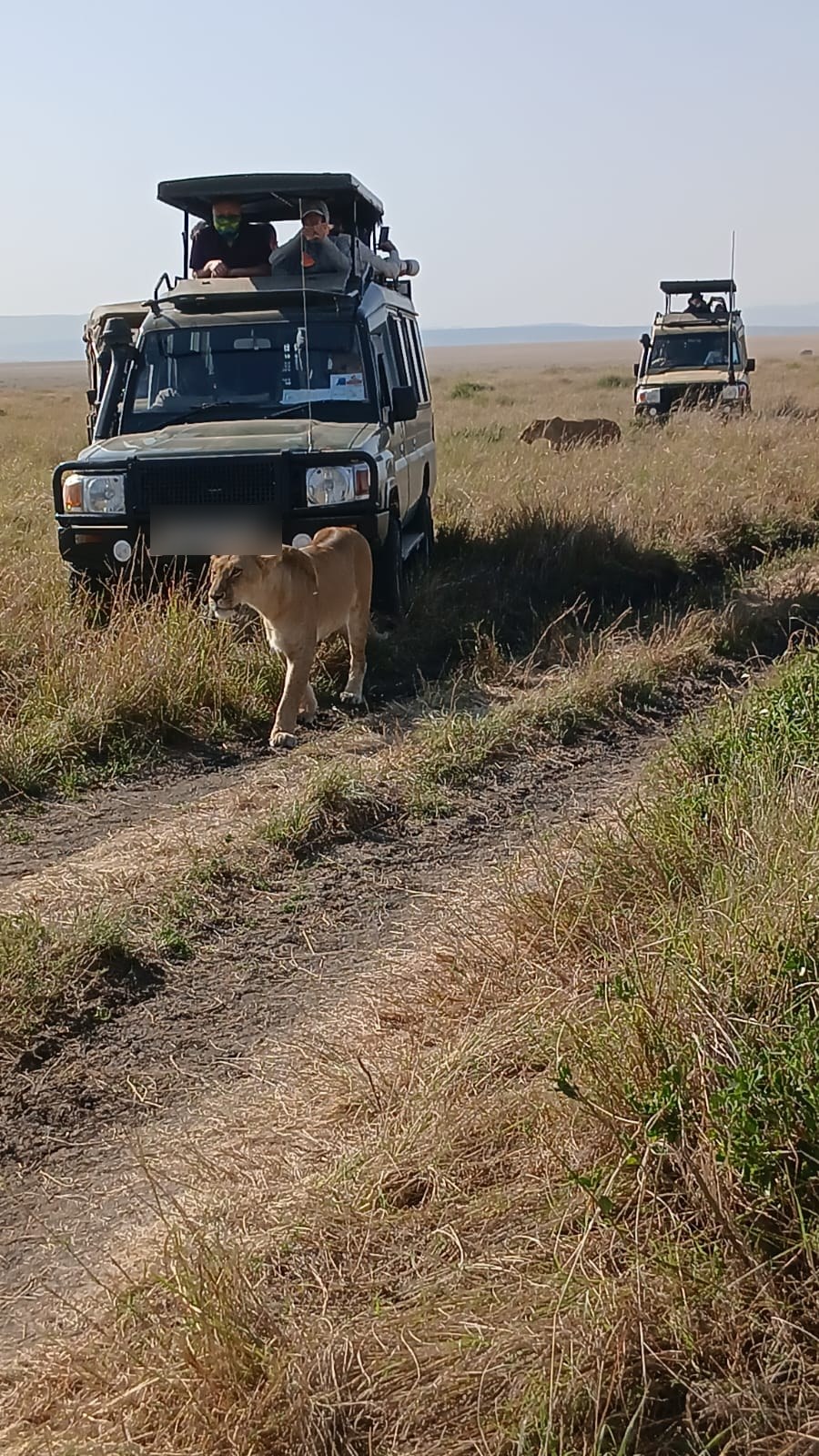
Landing at JKIA: What Actually Happens, and How to Get Out Smoothly
Your safari starts at the arrivals door, not at the park gate. Here is exactly what to expect at JKIA and how to make the first two hours effortless.

Private, Shared or Ride Hailing: Choosing an Airport Transfer in Nairobi
The cheapest option at the arrivals door is rarely the cheapest once you count the wait, the luggage and the negotiation.
Masai Mara Safari: The Complete Guide to Kenya's Greatest Reserve
Everything you actually need to know about the Masai Mara safari, the migration timing, the best conservancies, and how to avoid the vehicle crowds.
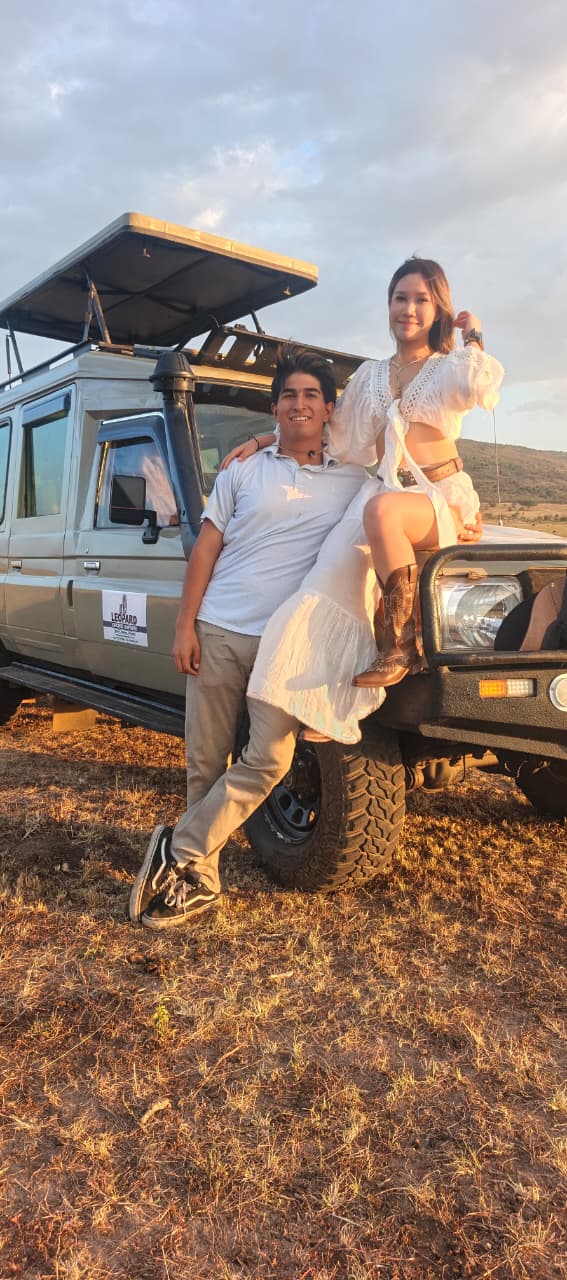
A Honeymoon Safari in Kenya, Planned the Way Couples Actually Want It
A honeymoon is not a shorter version of a family safari. It is a different brief entirely, and pacing matters more than any single camp.
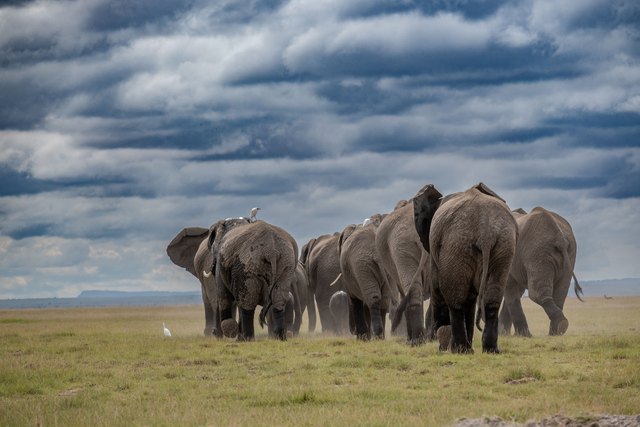
When Is The Best Time For An African Safari? A Month-By-Month Guide
The honest answer to 'when should I go on safari?', with month-by-month recommendations for Kenya, Tanzania, Botswana and beyond.

Planning a Family Safari in Kenya: Ages, Pacing and the Things Nobody Warns You About
Children handle safari far better than most parents fear. What they do not handle is six hours in a vehicle on a transfer day.
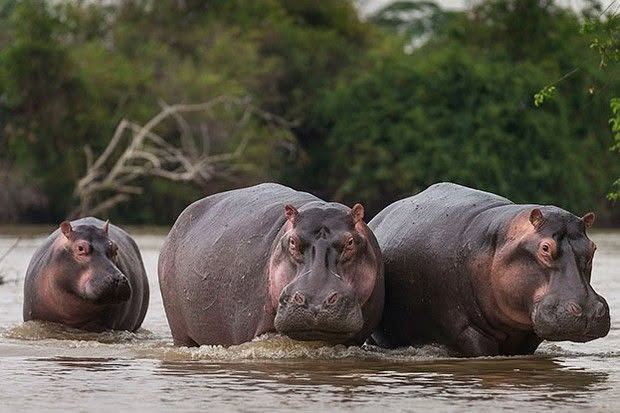
The Okavango Delta: What A Safari There Is Actually Like
The Okavango Delta is unlike anywhere else on the safari map. Here is what a Delta safari really costs, what to expect, and how to combine it with a Kenya safari.
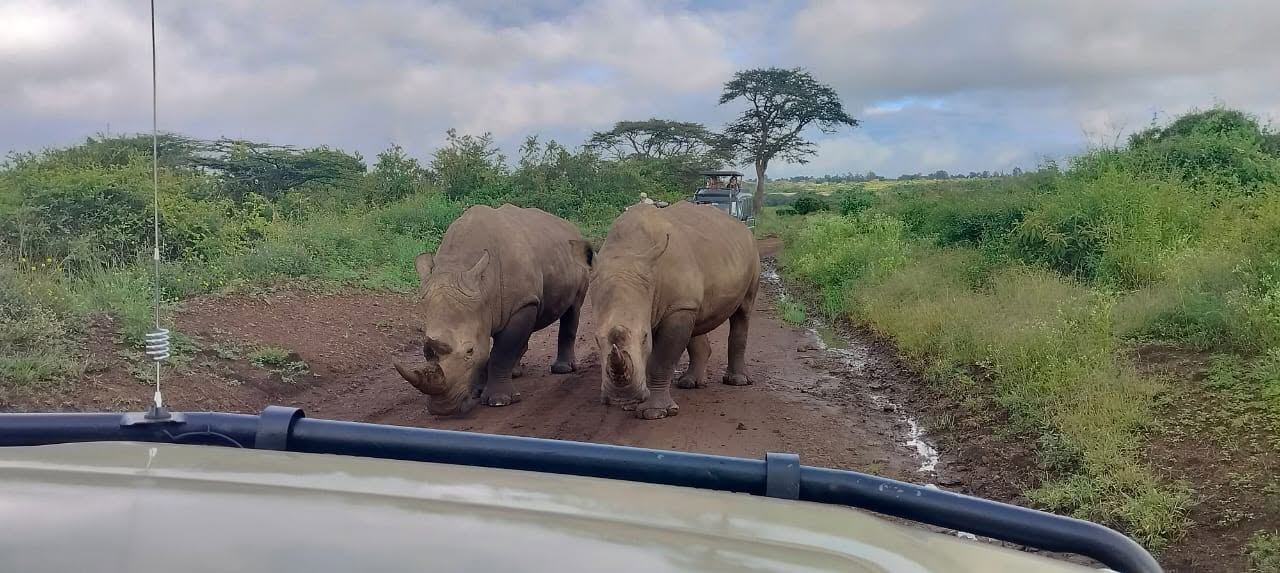
The Big Five in Kenya: Where to See Each One, and What to Expect
The Big Five is a hunting term that became a wish list. It still makes a useful planning framework, as long as you understand which of the five is genuinely hard.
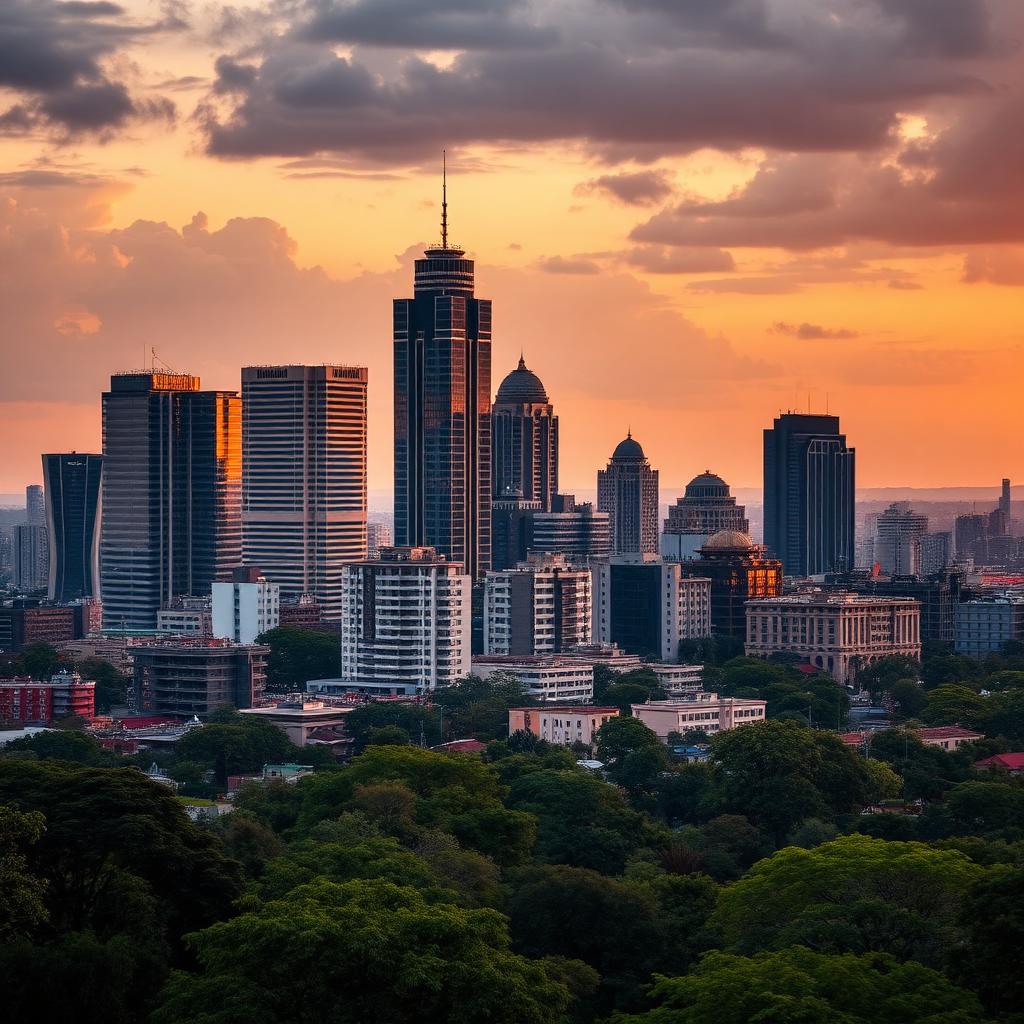
10 Unforgettable Things To Do In Kenya Beyond The Safari
Kenya's game drives get all the attention, but the country has a lot more range than that, here's what's worth building into your itinerary beyond the parks.
The Elephants of Kenya: Amboseli's Great Tuskers and Where Else to Find Them
Amboseli's elephants have been studied continuously for decades, which means your guide can often name the matriarch in front of you. Very few places on earth offer that.
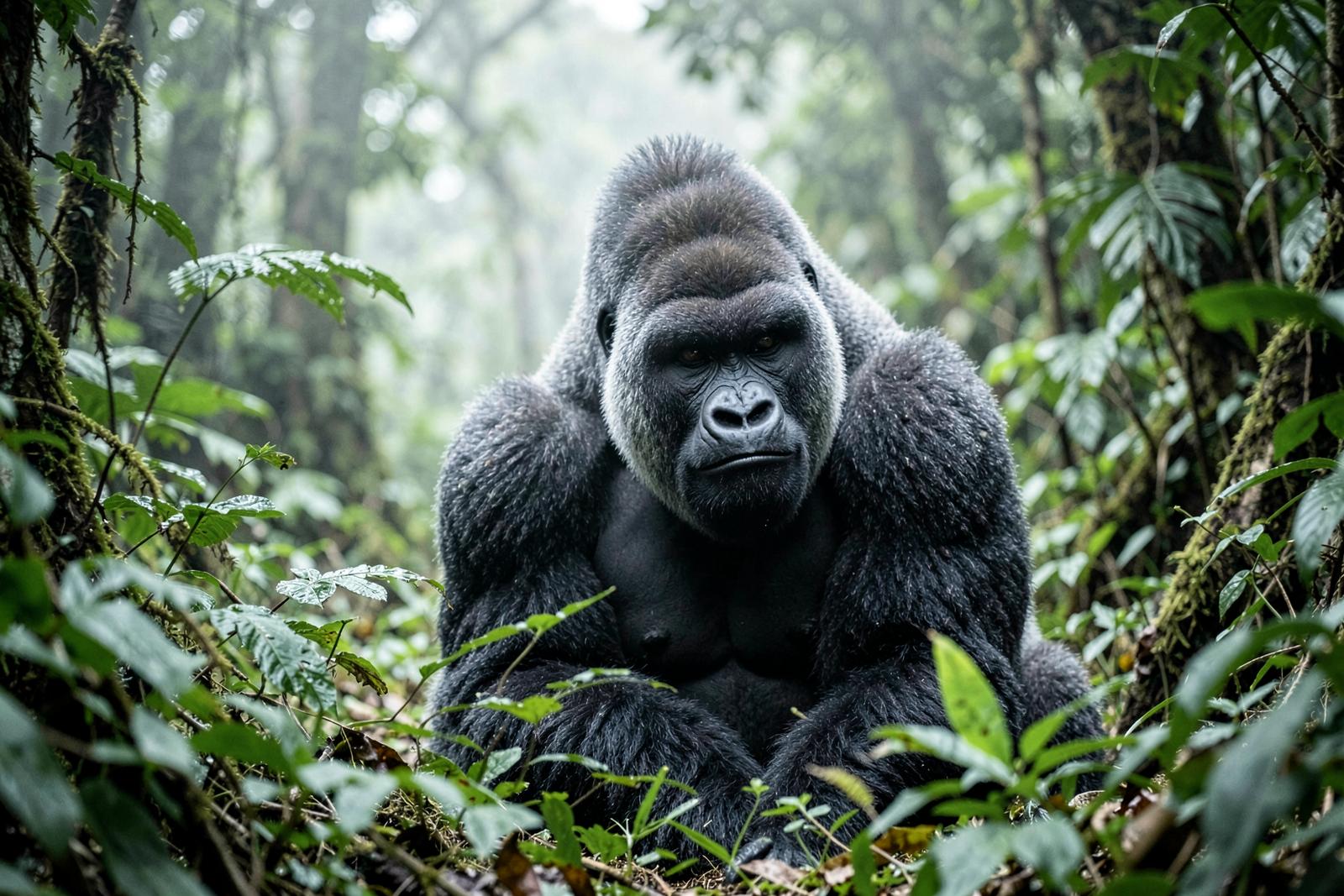
Gorilla Trekking: Bwindi or Volcanoes, and How to Choose
An hour with a habituated gorilla family is the most concentrated wildlife experience in Africa. The decision that shapes it is which forest you walk into.
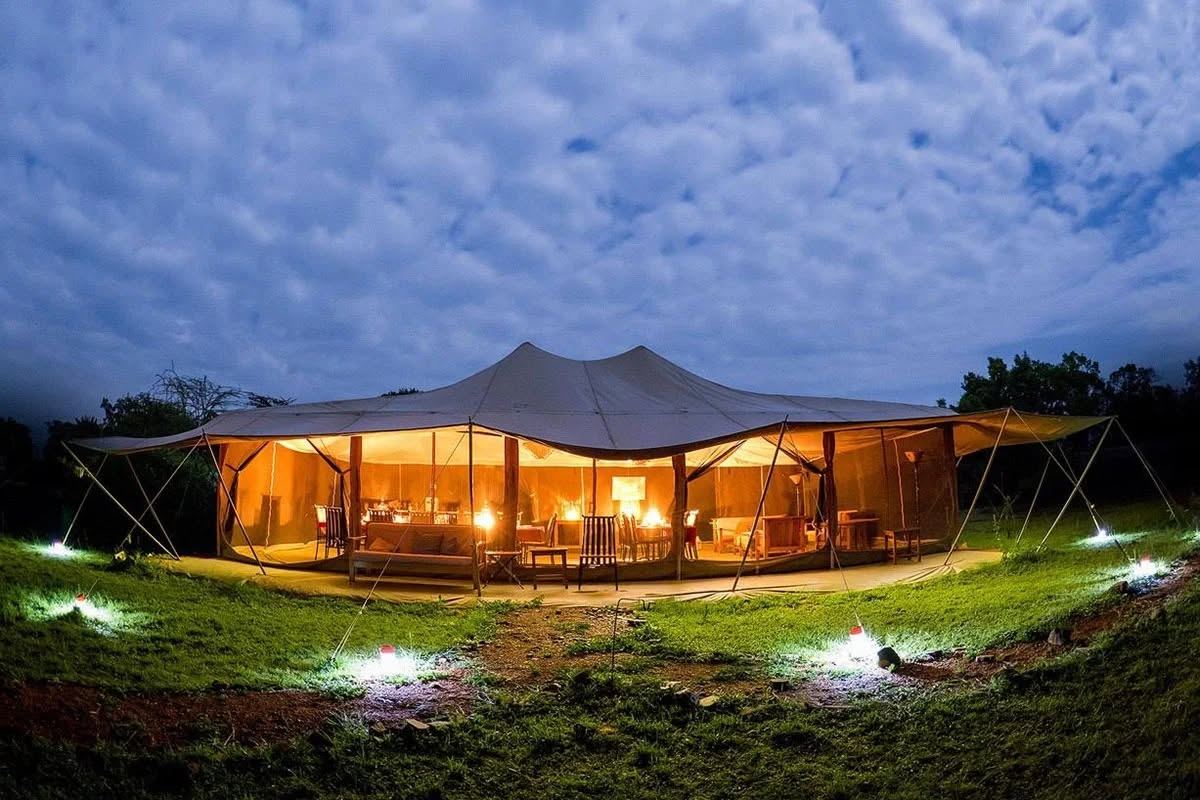
The Kenya Safari Packing List: Everything You Actually Need (And What You Don't)
A packing list built from actual guest questions and actual guide complaints, not a generic travel-blog checklist.
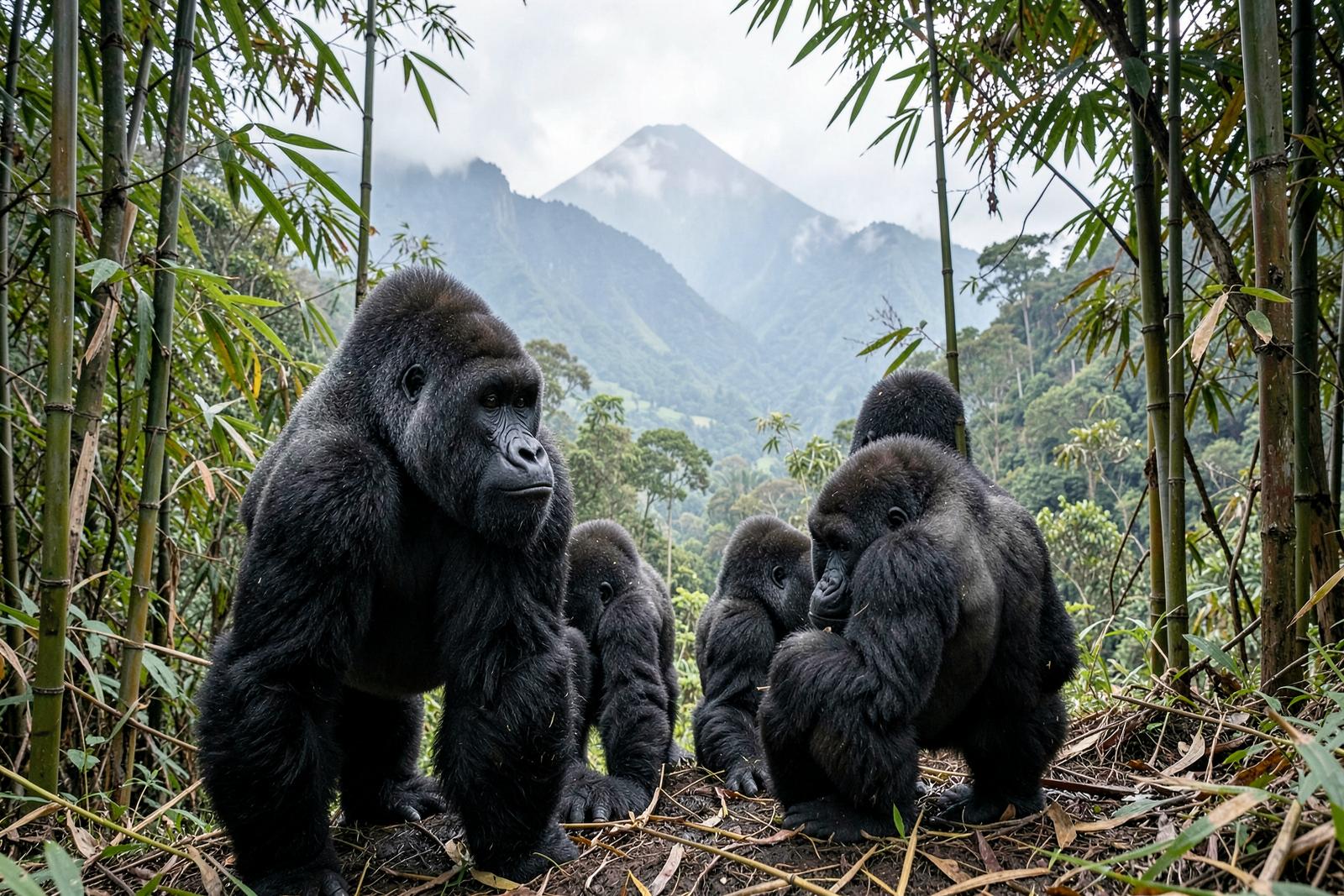
Planning a Kenya Safari From Kampala, Kigali or Bujumbura
Regional travellers are often quoted as though they are flying in from Europe. They should not be. Distances, visas and park rates all work differently for you.
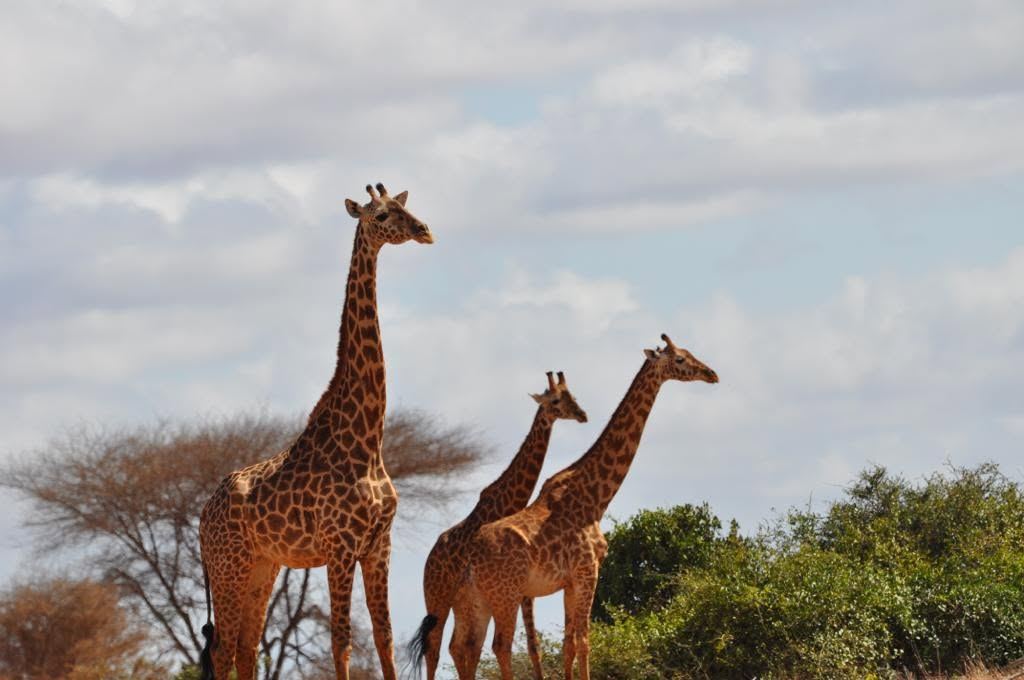
Family Safari In Kenya: An Honest Planning Guide For Traveling With Kids
What actually works when you bring children on a Kenya safari, age guidance, pacing, and the mistakes we see families make.
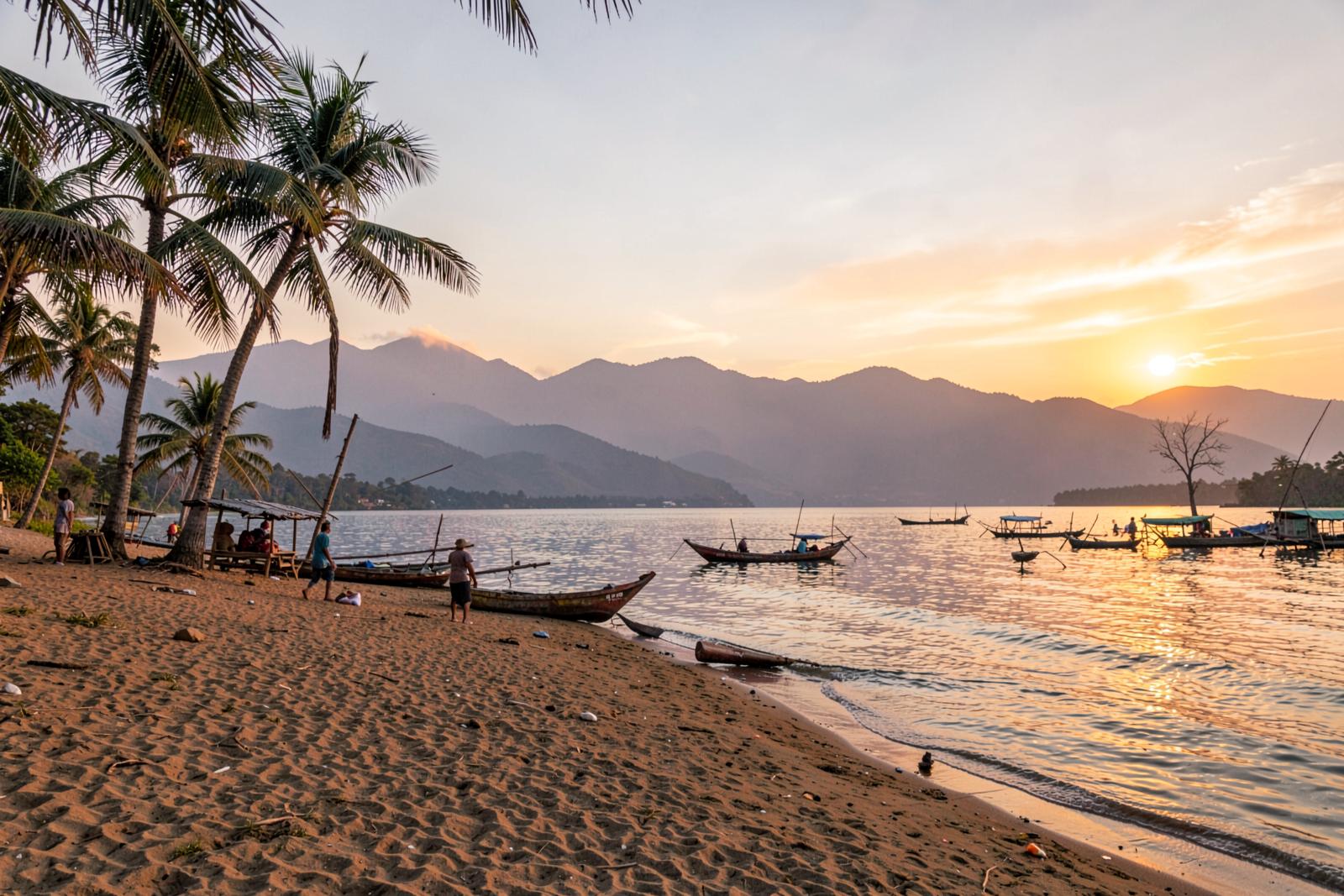
Burundi: The Great Lakes Journey Almost Nobody Is Taking Yet
Burundi will not out-game the Mara and does not try to. What it offers is one of Africa's great lakes, mountain forest and almost no other tourists.
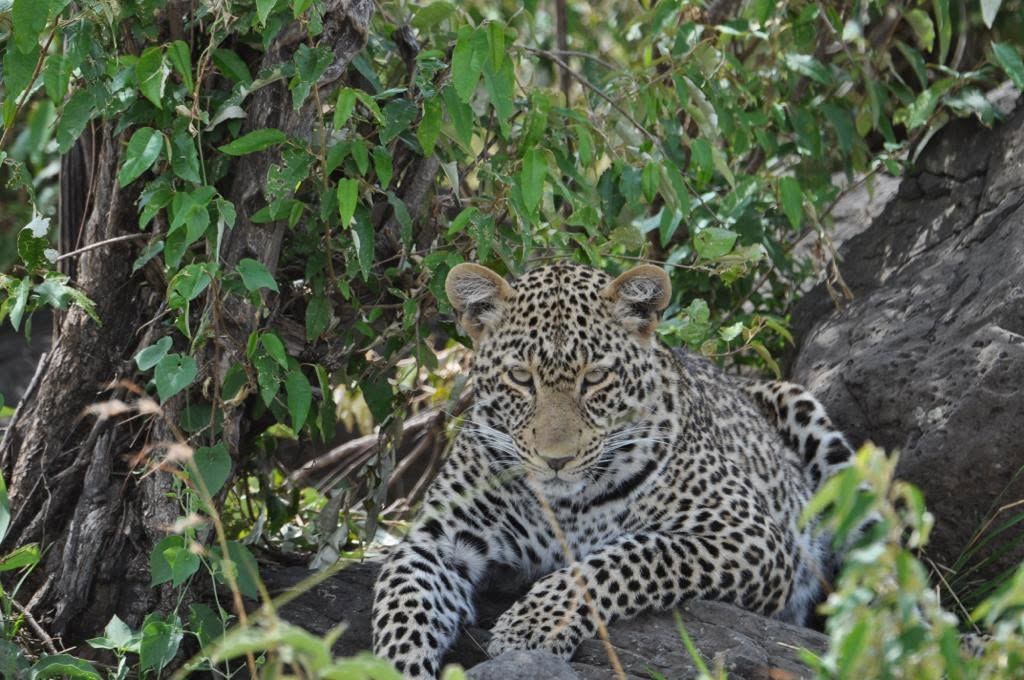
10 Wildlife Safari Photography Tips From Guides Who Watch You Miss The Shot
The most common wildlife photography mistakes we watch guests make on safari, and the simple fixes that actually improve your shots.

Zanzibar: Which Coast, How Many Nights, and When to Go
Zanzibar is not one beach. Choosing the wrong coast is the difference between swimming whenever you like and waiting for the water to come back.
Which Safari Vehicle Is Best? A Straight Answer From the People Who Maintain Them
Guests spend more waking hours in the vehicle than anywhere else on safari. It deserves more thought than it usually gets.