The honest answer to 'when should I go on safari?', with month-by-month recommendations for Kenya, Tanzania, Botswana and beyond.
There isn't a single 'best' month
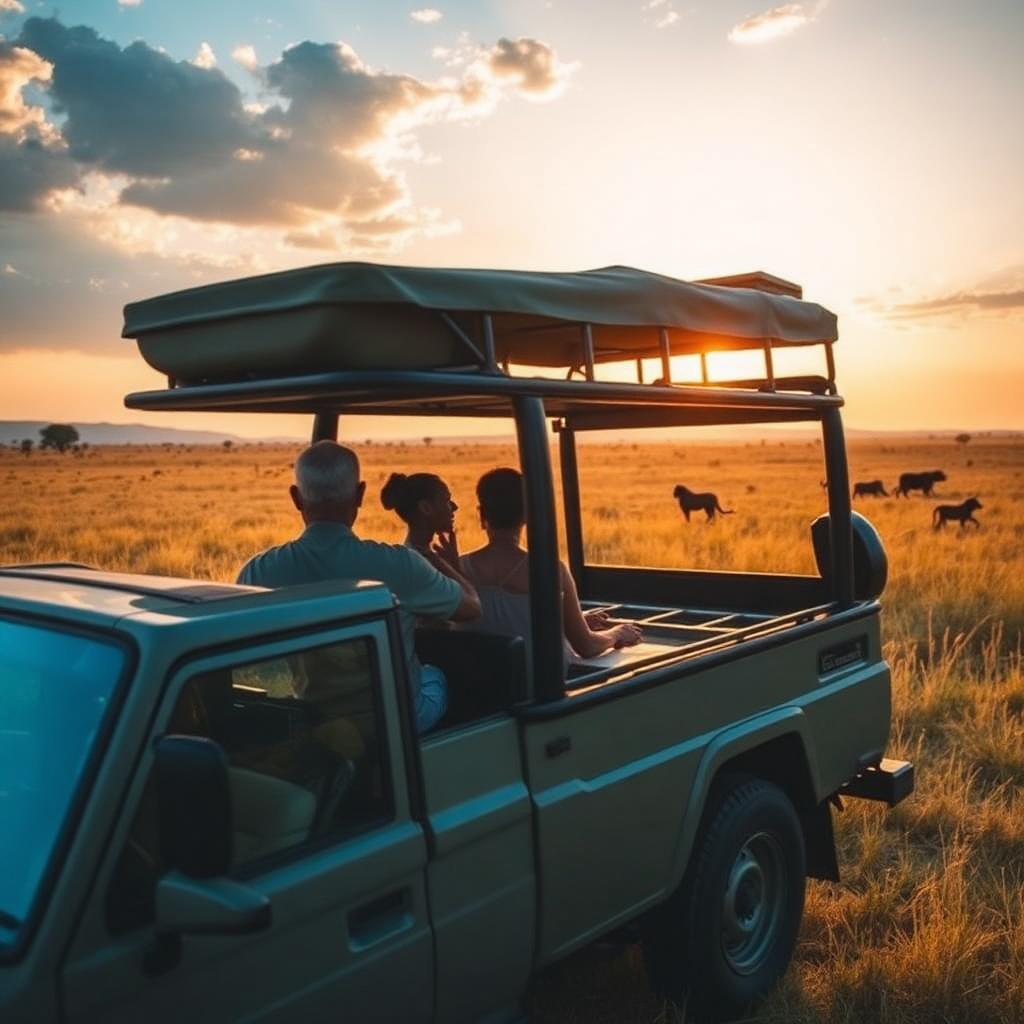
Every month has a different case to make. July–October is peak dry season across East and Southern Africa, the best game viewing, migration river crossings, and the highest prices and crowds. If your only goal is maximum wildlife density, this is your window.
The shoulder seasons deserve more credit
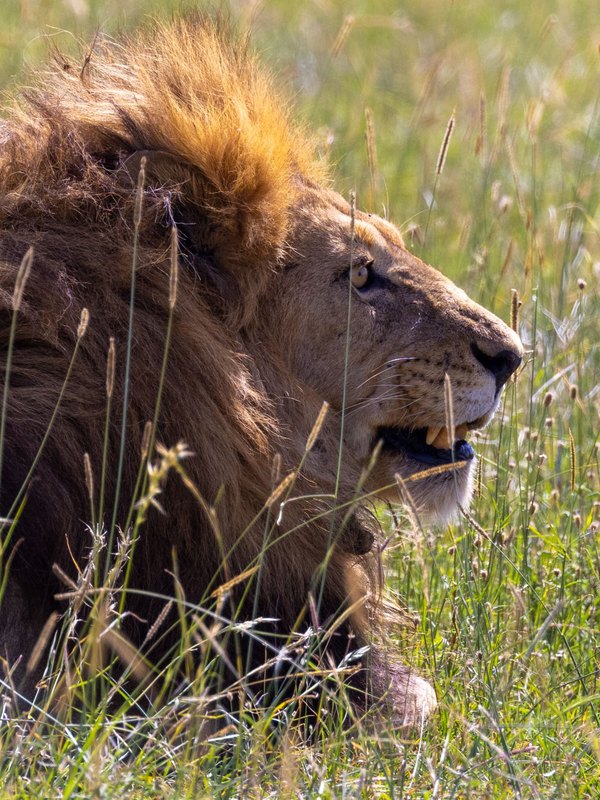
January to March brings the wildebeest calving season in the southern Serengeti, arguably better predator action than the crossings, since newborn calves draw every big cat in the area. It's also greener, quieter, and noticeably cheaper.
June is an excellent, underrated month across the board, dry enough for good viewing, before the July–August price and crowd surge fully kicks in.
Tell us your dates, we will send back a real itinerary
A consultant reads every enquiry personally and replies with routing, camps and a full price breakdown. No call centre, no template.
Avoid, or plan around, the long rains
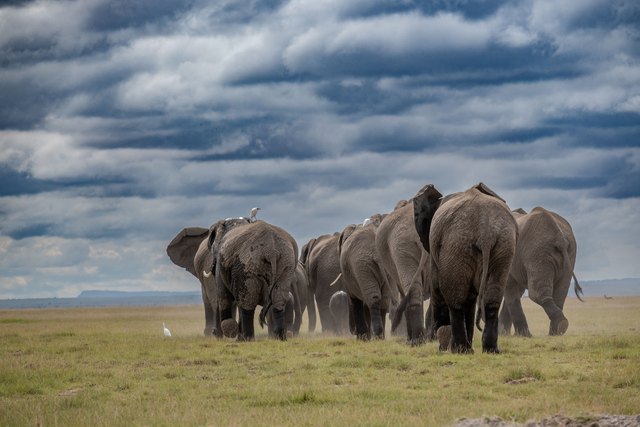
April and May bring Kenya and Tanzania's long rains, roads get difficult, some camps close entirely, and game viewing drops off as animals disperse into thick vegetation with abundant water everywhere. It's the cheapest time to travel, but it's cheap for a reason.
Our honest recommendation
For a first safari, we usually steer guests toward late June through September or February–March, depending on budget and crowd tolerance. Tell your consultant your priorities, cost, migration timing, or avoiding crowds, and let the answer be built around that, not a generic 'best time' rule.
Tell us your dates, we will send back a real itinerary
A consultant reads every enquiry personally and replies with routing, camps and a full price breakdown. No call centre, no template.