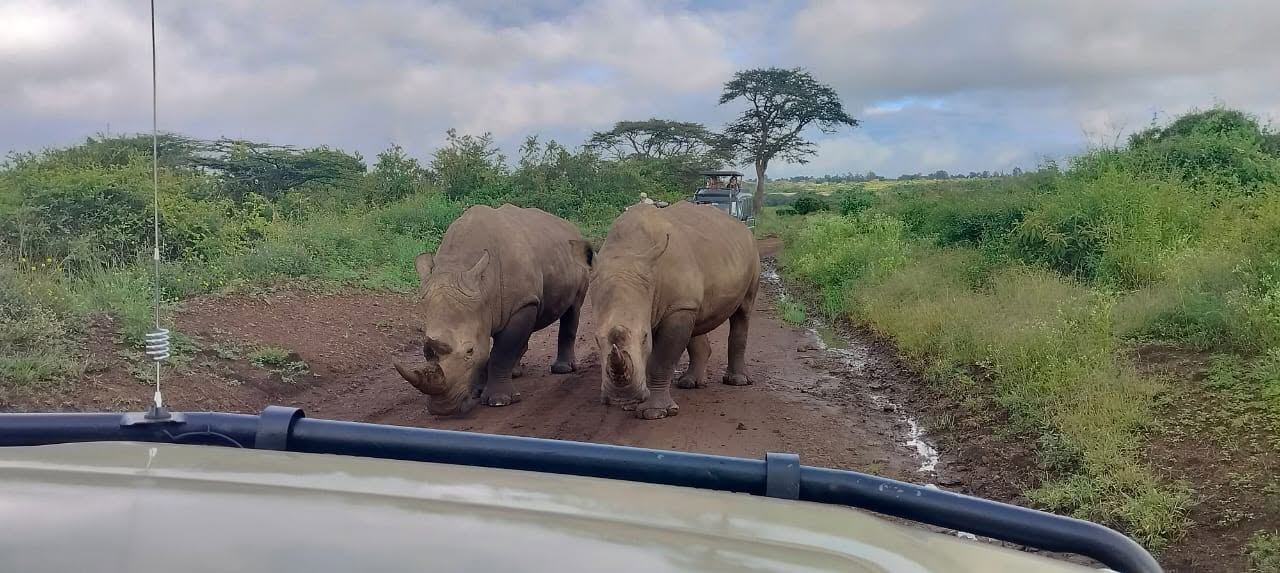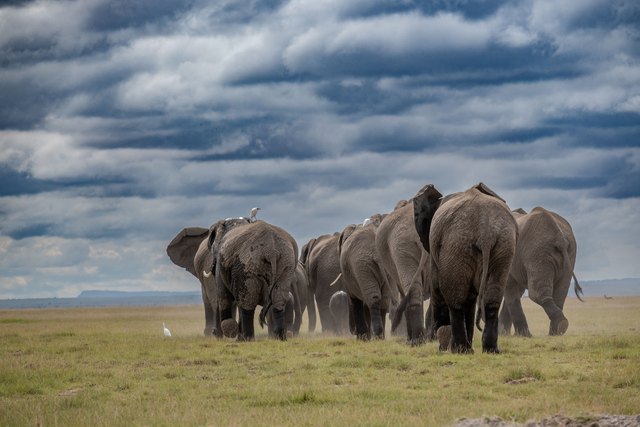
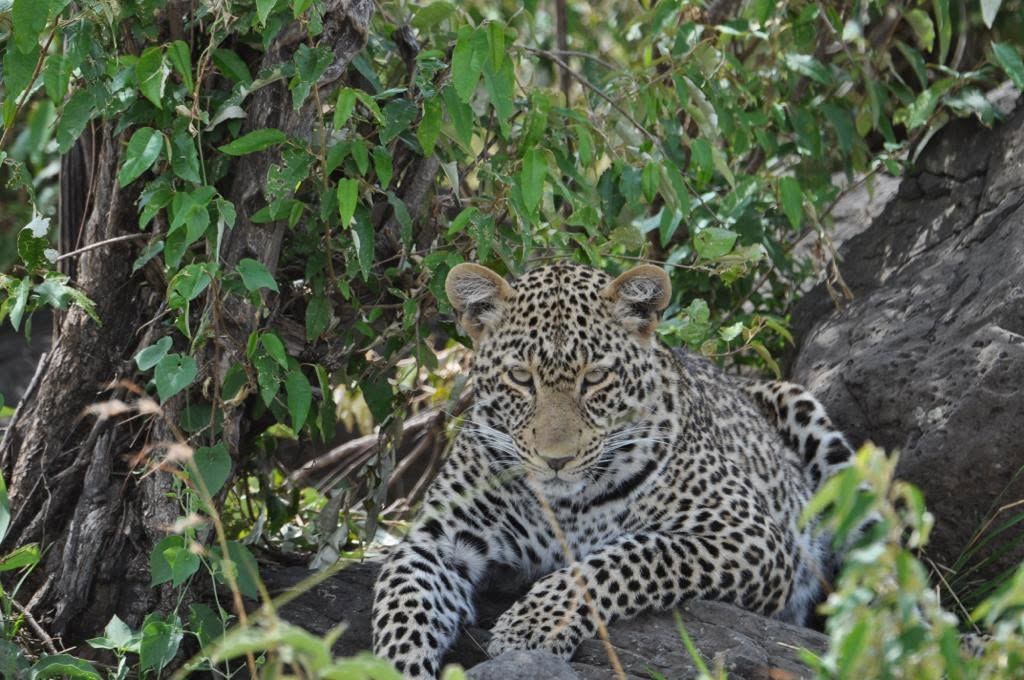
The most common wildlife photography mistakes we watch guests make on safari, and the simple fixes that actually improve your shots.
Shoot at the animal's eye level, not from above
The single biggest jump in photo quality comes from getting your lens as low as the vehicle allows, at or below the animal's eye line, rather than shooting down from a standing position through the pop-up roof. It's a small adjustment that makes an enormous visual difference.
Light matters more than gear
The hour after sunrise and before sunset (the reason for dawn and dusk game drives) gives warm, directional light that flatters every subject. A mid-range zoom used well in good light will consistently beat an expensive lens used in flat midday sun.
Tell us your dates, we will send back a real itinerary
A consultant reads every enquiry personally and replies with routing, camps and a full price breakdown. No call centre, no template.
Focus on behaviour, not just the animal
A technically sharp photo of a lion lying still is far less compelling than a slightly imperfect shot of a cub play-fighting or a bird mid-flight. Guides can help position you for behaviour if you tell them what you're hoping to capture, rather than just naming a species.
Practical settings guidance
Keep your shutter speed at 1/1000s or faster for anything moving, use continuous/burst mode for action, and don't be afraid of higher ISO in early morning or dusk light, a slightly grainy sharp photo beats a clean blurry one every time. Bring spare batteries and memory cards; charging opportunities in remote camps are more limited than most guests expect.
Tell us your dates, we will send back a real itinerary
A consultant reads every enquiry personally and replies with routing, camps and a full price breakdown. No call centre, no template.